Leather Belts in Work History
Jun 30, 2025
Leather belts weren’t originally made for looks.
They were made to do a job.
Over time, that purpose hasn’t really changed. The materials and tools have evolved, but the reason people reach for leather is mostly the same.
Looking back at where they came from helps explain why they’re still made this way today.
Where It Started
Leather has been used for tools and clothing for a long time.
Early farmers, hunters, and builders used leather straps to hold gear in place and carry what they needed.
It was easy to shape, and it held up under use.

As trades became more specialized in the 1800s, belts became more common as part of everyday gear.
Leather was a natural choice because it could handle movement and wear without falling apart.
Why Leather Stuck Around
There were other materials over time, but leather kept getting used.
It’s strong, but it also moves with you. It doesn’t stay rigid, and it doesn’t collapse under normal use.
That balance is hard to replace.
That’s why you still see it show up in belts, tool straps, and other everyday gear.
From Utility to Everyday Use
By the late 1800s, belts had become a regular part of how people carried tools and equipment.
Carpenters, blacksmiths, and railroad workers all used them in different ways, but the idea was the same—keep things close and easy to reach.

Over time, they became less about carrying tools and more about everyday wear, but the construction didn’t change much.
Why It Still Works Today
Even now, leather is still used for the same reasons.
It holds its shape, it breaks in over time, and it tends to last longer than most alternatives.

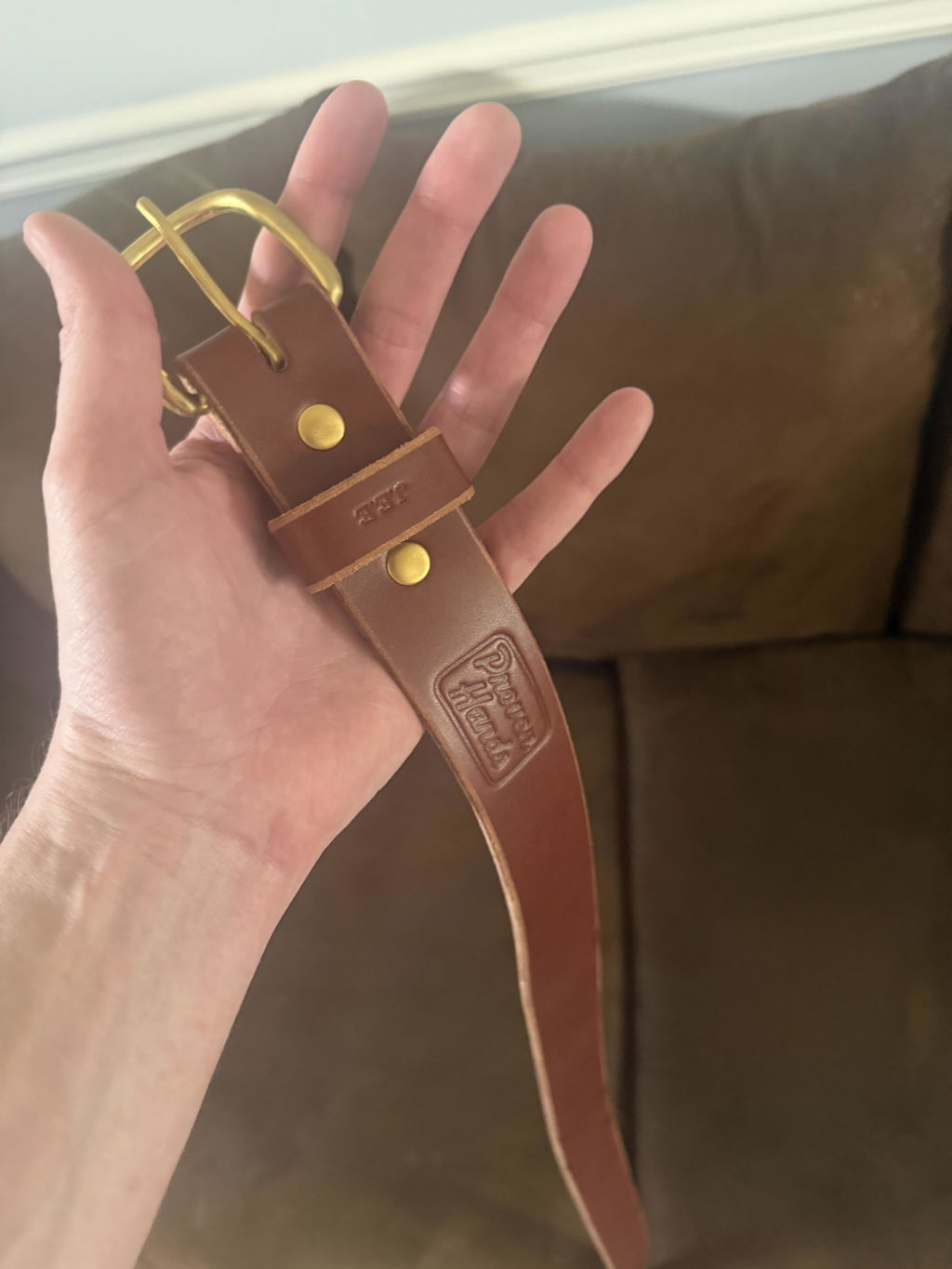
That’s why I still use full-grain leather when I’m making belts.
It’s not new. It’s just proven.
Looking at It Now
Most people aren’t thinking about history when they put on a belt.
But the way it feels, how it wears in, and how long it lasts all come from decisions that were figured out a long time ago.
That’s the part I try to hold onto when I’m making them.
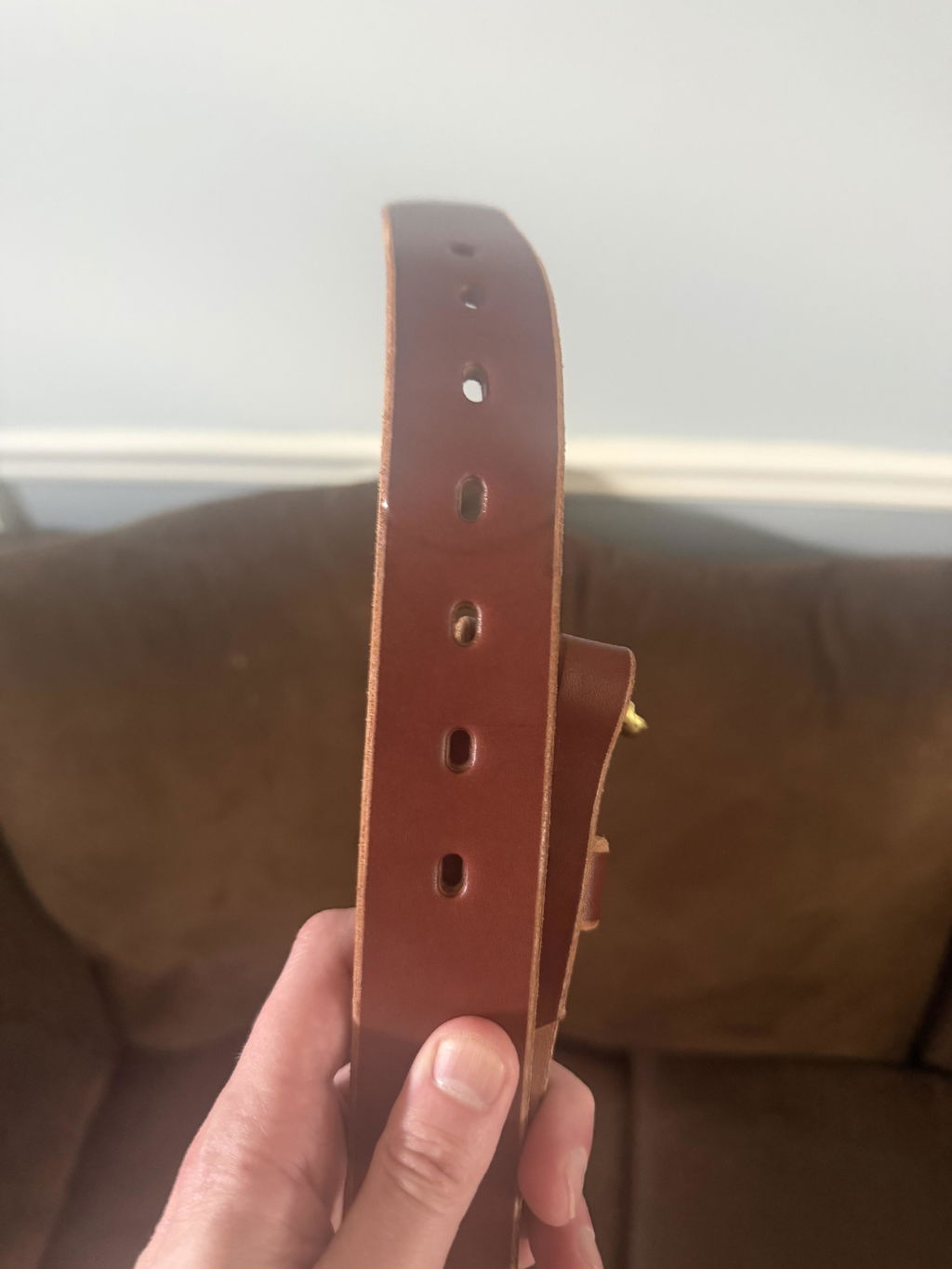
Each belt is made by hand in small batches, using materials that have worked for a long time.